
The allure of gambling: What draws players in
Gambling has always held a unique allure for individuals across cultures and ages. The thrill of risk, the chance of winning big, and the escape from everyday life are just a few reasons people are attracted to casinos. Gamblers often describe a profound excitement that comes from wagering money, which pulls them into an immersive world where chance reigns supreme, and exploring options like australian online pokies payid can enhance that experience. This draw can stem from a need for validation or a love for adrenaline-inducing experiences that typical life may not provide.
Another critical factor is the environment of casinos, which are meticulously designed to enhance the gambling experience. Bright lights, engaging sounds, and the presence of other enthusiastic players create an atmosphere that can be intoxicating. These sensory stimuli are carefully curated to keep players engaged longer, often leading to impulsive behavior. The moment a player steps onto the casino floor, the environment is engineered to amplify their emotions and encourage them to place bets, often leading to a deeper psychological commitment.
Furthermore, casinos employ various promotional strategies to attract and retain players, such as loyalty programs and bonuses. These promotions can create a sense of belonging and community among gamblers, who feel they are part of an exclusive club. This social aspect can be significant for many individuals, especially those who might feel disconnected in their daily lives. The combination of thrill, sensory engagement, and social validation makes gambling an enticing pursuit for many.
Understanding risk and reward in gambling
The concept of risk and reward is central to the psychology of casino players. Each time a player places a bet, they face the uncertainty of losing their money versus the exhilaration of potentially winning large sums. This balancing act can create a compelling motivation to engage in gambling behavior. Understanding the odds and the inherent risks can sometimes be overshadowed by the allure of potential rewards, prompting players to make decisions that go against their better judgment.
Addiction can arise from this dynamic, as players often chase losses in hopes of recouping their money. This behavior can lead to a cycle where players continue to gamble despite mounting financial and emotional costs. Neurologically, this chase can trigger the brain’s reward system, releasing dopamine and reinforcing the behavior. Knowing that a win is possible can create a powerful and sometimes irrational urge to gamble again, contributing to the compulsive nature of gambling addiction.
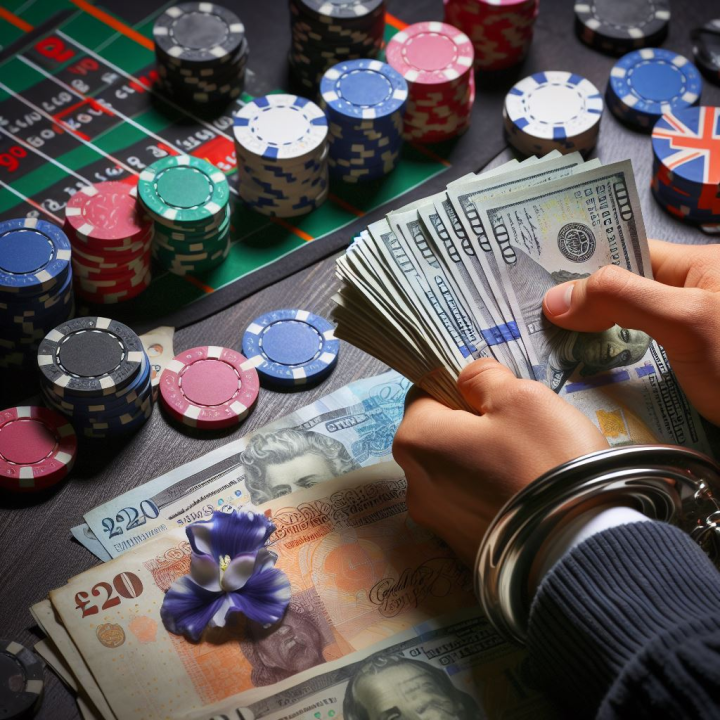
Moreover, cognitive biases play a crucial role in how players assess risk and reward. Many gamblers exhibit a tendency toward optimism bias, believing they are more likely to win compared to others. This belief can perpetuate gambling behavior, as players often remember their wins more vividly than their losses. This skewed perception can create a dangerous cycle, wherein players become emotionally invested and fail to recognize the financial implications of their actions, leading to possible addiction.
The social dynamics of gambling
The social dynamics at play in gambling environments significantly impact player behavior. Casinos are not just places for individual gambling; they are also social hubs where players interact with one another. This socialization can amplify the excitement of gambling, as players share their experiences, strategies, and sometimes, their wins. The communal atmosphere can foster camaraderie, but it can also lead to competitive behaviors, pushing players to wager more in an effort to impress peers or fit in with a particular social group.
The influence of group dynamics often leads to what is known as “groupthink,” where individuals may make riskier decisions simply because others are engaging in the same behavior. This phenomenon is particularly prevalent in high-stakes gambling environments where players feel the pressure to conform. Such collective behavior can lead to impulsive betting and an environment where rational decision-making takes a backseat to the thrill of collective excitement.
Moreover, companionship and shared experiences can significantly enhance the appeal of gambling. Many players visit casinos with friends or loved ones, not just for the gambling itself but for the opportunity to bond over shared risks and rewards. This social aspect is another layer of excitement that casinos leverage to keep players coming back. The memories created in these social settings can elevate the gambling experience, making it more than just a financial endeavor but a social one, rooted in the connections forged through shared play.
The emotional impact of gambling strategies
The emotional impact of employing various gambling strategies can provide insight into the psyche of players. Many gamblers engage in strategies, whether they are based on math, intuition, or superstition. These strategies can create a sense of control over what is ultimately a game of chance. When players believe they have a foolproof method, it can boost their confidence and encourage further betting, even if the outcomes are still random. This perceived control can lead to heightened emotional investment, intensifying the highs of potential wins and the lows of inevitable losses.

Furthermore, the psychological phenomenon known as the “illusion of control” plays a significant role in gambling behavior. Players often believe they can influence the outcome based on their choices, even in games governed entirely by luck. This belief can lead to frustration when expected results don’t materialize. The emotional fallout from this disconnect between expectation and reality can result in further gambling as players attempt to regain that sense of control over their luck.
On the other hand, some players may experience feelings of guilt or shame after gambling, particularly if it leads to financial trouble or interpersonal conflict. This emotional turmoil can create a vicious cycle; negative feelings may push players to gamble in an attempt to escape their reality or soothe their distress. Understanding these emotional drivers is crucial in addressing gambling addiction and fostering healthier behaviors within the gaming context.
Resources for responsible gambling
As understanding the psychology of casino players becomes increasingly important, so does the need for responsible gambling resources. Many casinos and online platforms have implemented measures to promote responsible gambling practices. This includes self-exclusion programs, limits on deposits, and access to educational materials that inform players about the risks associated with gambling. Creating a safe gambling environment is a priority for many operators, recognizing that a healthy approach can lead to a more sustainable business model.
In addition to casino-led initiatives, various organizations and support groups focus on helping individuals who struggle with gambling addiction. These resources provide counseling, therapy, and community support to help affected individuals understand their behavior and find healthier ways to cope with stress and anxiety. The importance of these services cannot be overstated, as they serve as a lifeline for those who find themselves ensnared in problematic gambling habits.
Furthermore, education plays a vital role in helping players make informed decisions. Understanding the odds, recognizing behavioral triggers, and fostering self-awareness can empower players to gamble responsibly. Websites dedicated to promoting gambling awareness often feature articles, tips, and personal stories that illuminate the psychological aspects of gambling. By equipping players with information and resources, the gambling community can work towards a healthier and more responsible approach to gaming.